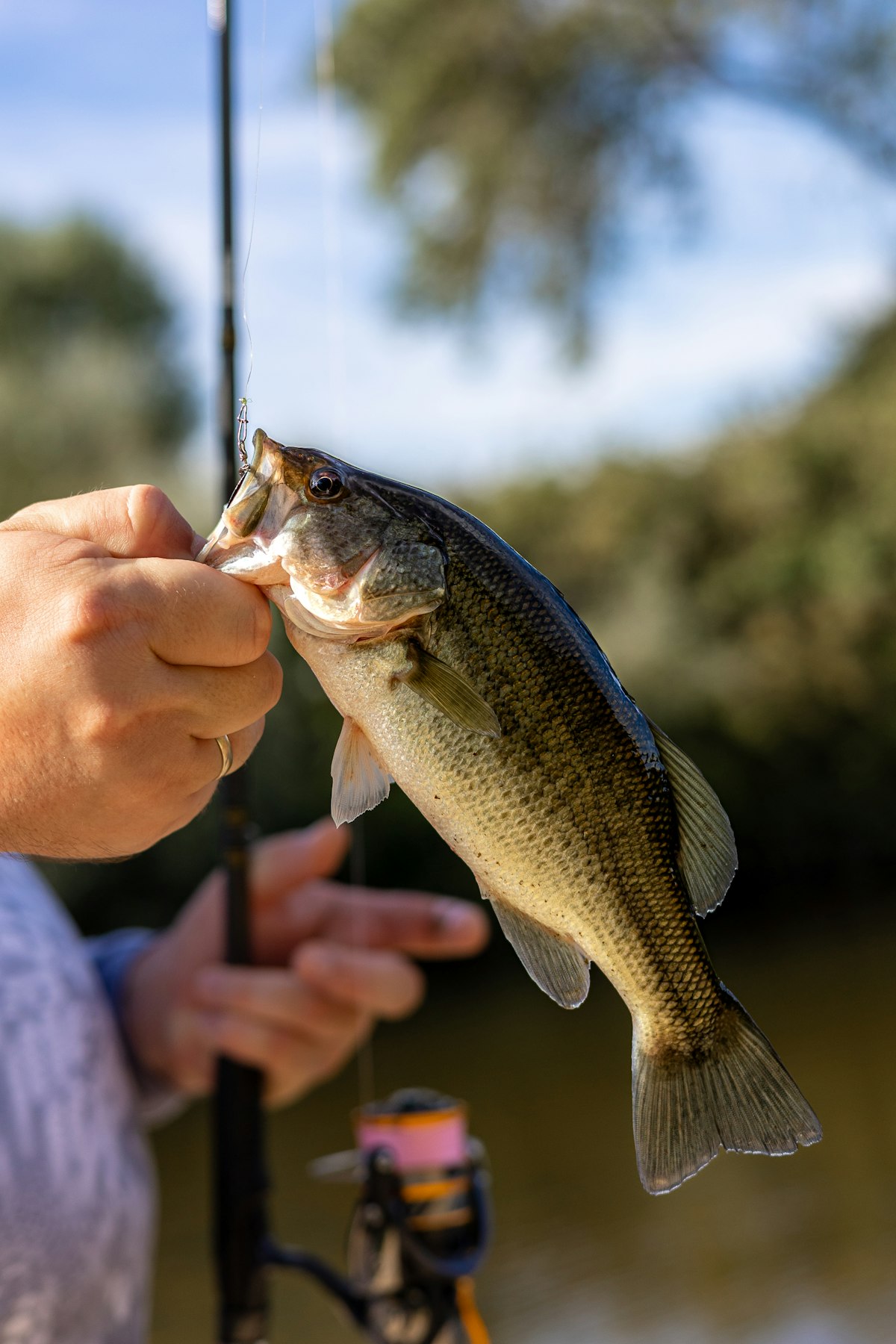
Speckled trout — specks, spotted sea trout, whatever you call them — are the most-targeted inshore fish on the Gulf Coast. They’re in the bays, the back marshes, the passes, and the surf. They eat aggressively, fight hard, and are excellent table fare. If you’re fishing Gulf Coast waters from Texas to Florida, here’s how to find them and make them bite.
Where Speckled Trout Live: Reading the Water
Specks are structure-oriented fish that follow bait. They’re not tied to a single depth — they’ll be in 18 inches of water on a grass flat at first light and in 8 feet of water along a channel edge at noon. Key locations:
Grass flats: Submerged seagrass (shoal grass, turtle grass) holds shrimp, crabs, and baitfish. Trout stack on the edges and potholes of grass flats, especially at first light and last light. Look for areas where grass meets sand bottom — these transition zones concentrate fish.
Oyster bars and reefs: Hard structure breaks current and creates ambush points. Trout hold on the downcurrent side of oyster reefs waiting for bait to wash through. Fish the edges rather than on top.
Marsh drains and bayou mouths: As tide falls, bait flushes out of the marsh through drains and channels. Trout (and redfish) stack at the mouths waiting for a free meal. Fish these transitions hard during falling tide.
Deeper channels in winter: When water temps drop below 55°F, specks move to deeper water — channel edges, deep holes, and bridge pilings. They slow down and require slower presentations to trigger strikes.
Best Times to Fish for Speckled Trout
Summer: Early morning (first two hours of daylight) and late afternoon. Midday heat pushes fish deep. Target grass flat edges and drain mouths at dawn — this is when topwater bites happen.
Fall: Best season overall. Cooler water temps put trout in full feeding mode as they pack on weight before winter. All-day bites are possible, especially around moving bait.
Winter: Toughest season but trophy fish are possible. Focus on deep structure and fish very slowly. The largest specks of the year are often caught in January and February on suspending hard baits.
Spring: Fish move back to shallows as water warms. Grass flat fishing picks up again. Specks are lean but hungry after winter.
Best Speckled Trout Lures and Techniques
Soft Plastic Paddle Tails on a Jig Head
The most versatile technique for specks year-round. A 3–4″ paddle tail in white, chartreuse, or natural shrimp colors on a 1/8–1/4 oz jig head covers the water column effectively. Work it with a slow lift-drop retrieve. Let it hit bottom, lift the rod 12–18 inches, let it fall back on semi-slack line. Most strikes happen on the fall.
Top choices: DOA Lures, Z-Man StreakZ, and Berkley Gulp! Shrimp. Shop on Amazon →
Popping Cork Rig
The popping cork is the most effective technique for covering water and fishing at a specific depth. Set the leader length to match the water depth (2–3 feet for shallow flats, 3–4 feet in deeper water). Pop the cork aggressively 2–3 times, then let it sit for 3–5 seconds. Repeat. The pop mimics feeding activity and draws fish from distance.
Bait choices under the cork: live shrimp (best), Gulp! Shrimp (close second), or a small paddle tail. Shop on Amazon →
Topwater Plugs (Low Light)
Few things in inshore fishing beat a big speck blowing up on a topwater plug at first light. Walk-the-dog lures like the MirrOlure She Dog and Heddon Zara Spook work best on calm mornings over shallow grass flats. Work the lure with alternating rod twitches and let it pause for 1–2 seconds. Strikes are explosive.
This bite typically shuts down within 1–2 hours of sunrise. Make the most of it.
Suspending Hard Baits (Winter)
When water temps drop, specks won’t chase. A suspending twitch bait worked very slowly — twitch, long pause, twitch, long pause — triggers cold-water strikes that nothing else will. MirrOlure MirrOdine, Rapala X-Rap, and Yo-Zuri Crystal Minnow are proven choices. Let the bait sit motionless for 5–10 seconds during the pause in cold water.
Tackle Setup for Speckled Trout
Rod: 7’0″ medium-light to medium spinning rod with a fast action. Sensitive enough to detect light bites, with enough backbone to set a hook and handle a big fish. St. Croix Mojo Salt and Ugly Stik Carbon are excellent options at different price points.
Reel: 2500–3000 size spinning reel with a smooth drag. Penn Battle III, Shimano Stradic, and Daiwa BG are proven inshore reels.
Line: 10–15 lb braided line with a 20 lb fluorocarbon leader (18–24 inches). Braid gives sensitivity and casting distance; the fluoro leader is invisible in clear water and abrasion-resistant around oysters.
Hook size: 1/0 to 3/0 for most soft plastic presentations. Match hook size to your bait.
Reading Trout Sign on the Water
Find the bait, find the trout. Look for:
Nervous water: Small surface disturbances caused by baitfish being pushed from below — a sign of feeding fish underneath.
Birds working: Diving pelicans and circling terns indicate active bait schools with predators below. Run toward the birds.
Mullet jumps: Jumping mullet are being pushed by predators. Work the edges of mullet schools.
Color changes: Edges between clear and stained water concentrate bait and predators. Fish the transition line.
The Bottom Line
Speckled trout aren’t complicated — find the bait, present something that looks like it, and cover water until you locate fish. Start with a soft plastic on a jig head or a popping cork rig, add topwater during low light, and adjust for water temperature and season. The technique is simple; the consistency comes from reading water well.
For more inshore fishing content, check out our Best Redfish Lures guide and our Best Spinning Rods for Redfish breakdown.
Pingback: Best Saltwater Spinning Reels Under $200 - Drake & Drum