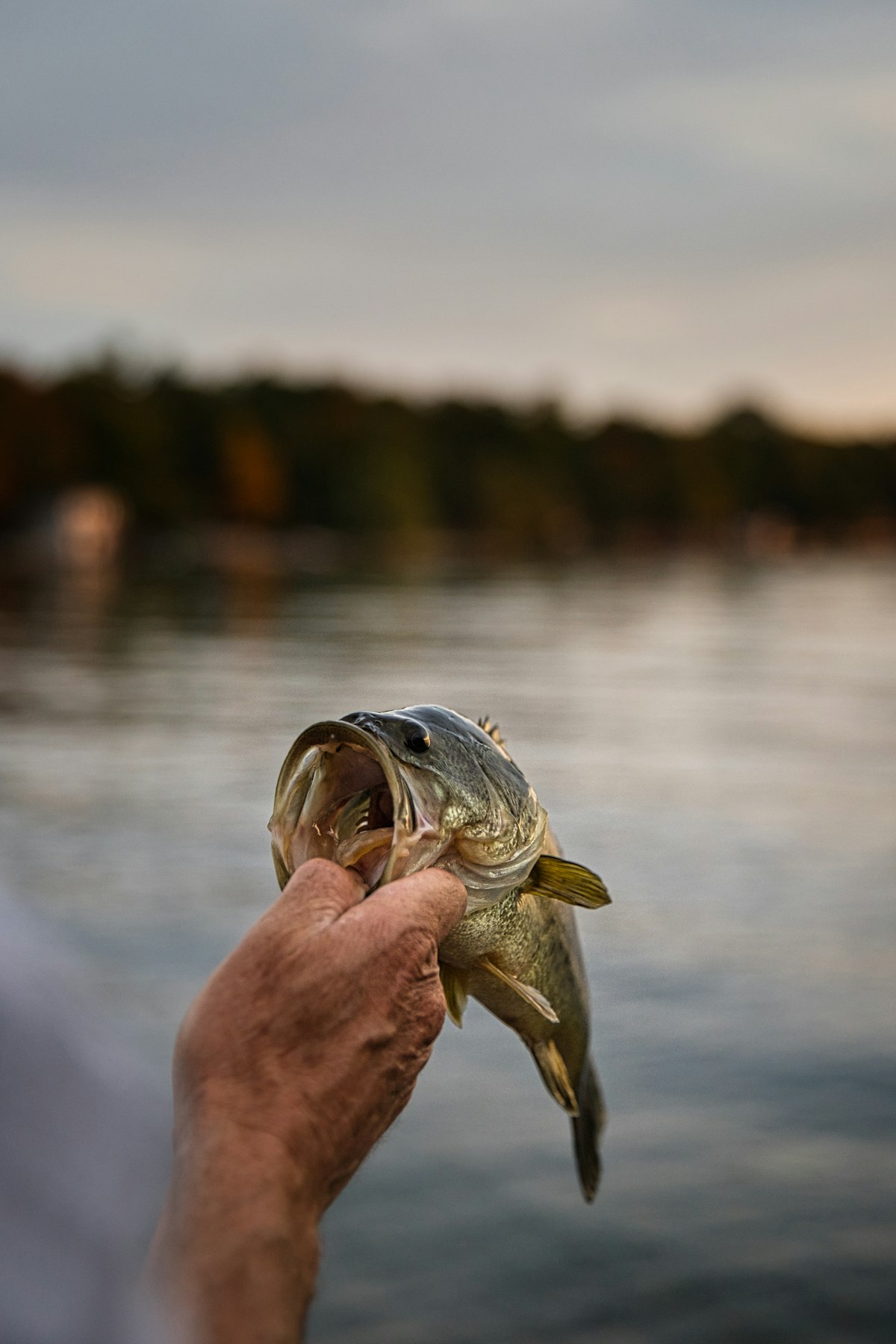
Flounder are one of the most sought-after inshore species in southern bays — and one of the most underrated table fish in the ocean. They’re ambush predators that sit motionless on the bottom and explode upward when prey passes overhead. Understanding that hunting behavior is the key to consistently catching flounder. Here’s a complete breakdown of where to find them, what to use, and how to fish it.
Where Flounder Hold
Flounder are structure and current oriented. They position themselves where they can intercept baitfish moving through a current without expending much energy. The best flounder spots in any southern bay:
- Channel edges — Where the flat drops into a channel is prime flounder territory. They sit just on the edge of the drop waiting for bait washing over.
- Inlet and pass structures — Tidal inlets with rock, concrete, pilings, or jetties concentrate flounder year-round. The combination of structure, current, and bait makes these spots incredibly productive.
- Bridge pilings and dock legs — Flounder stack against pilings, using the shadow and current break. Fish the downcurrent side of each piling.
- Tidal creek mouths — When the tide falls, bait flushes out of creek mouths into the bay. Flounder position at the mouth to intercept it.
- Sandy/shell bottom transitions — Flounder blend into the bottom. They favor clean sand or shell bottom near grass edges where they can sit and ambush bait coming off the vegetation.
Best Baits for Flounder
Live Mud Minnows and Finger Mullet
Nothing beats live bait for flounder. A mud minnow (killifish) on a jighead fished slowly along the bottom is the most consistently productive flounder presentation across the South. Finger mullet work equally well on larger fish. Hook them through the lips and drag them along the bottom — slow and low is the mantra.
Gulp! Shrimp and Alive Baits
Berkley Gulp! products are nearly as effective as live bait for flounder and far more convenient. The Gulp! Alive Shrimp on a 1/4 oz jighead fished with a dragging/hopping retrieve is a go-to rig for flounder from Texas to the Carolinas. The scent dispersion from Gulp! baits triggers strikes even from fish that won’t commit to a hard plastic.
Paddle Tail Swimbaits
A 3-4 inch paddle tail swimbait in white, chartreuse, or natural mullet colors on a 1/4 to 3/8 oz jighead is highly effective when flounder are active. The key is keeping the bait near the bottom — flounder rarely chase up in the water column. Count it down to the bottom and keep it there through the entire retrieve.
Shop paddle tail swimbaits on Amazon →
The Best Flounder Rig: Jighead Setup
A simple jighead with a soft plastic bait is the most versatile flounder rig in any inshore environment. Here’s the setup:
- Jighead: 1/4 oz in under 6 feet, 3/8 oz in 6-12 feet, 1/2 oz in current or deeper water
- Hook size: 1/0 or 2/0 for smaller baits, 3/0 for 4-inch swimbaits
- Leader: 18-24 inches of 20-25 lb fluorocarbon to your main braid
- Main line: 10-15 lb braid for sensitivity and long casts
The Retrieve
Flounder fishing is all about keeping the bait in the strike zone — and for flounder, the strike zone is the bottom. The most productive retrieve is a slow drag with periodic hops: lift the rod 6-12 inches to hop the bait, let it flutter back down, then drag it slowly 12-18 inches before repeating. Most strikes come as the bait settles after a hop.
Give the fish time to commit. Flounder grab baits and hold them — if you feel a thump or heavy resistance, don’t immediately sweep the rod. Let the fish run a few feet before setting the hook firmly.
Fall Flounder Run
The best flounder fishing of the year happens during the fall migration. As water temperatures drop in September and October, flounder begin their migration out of the bays toward nearshore spawning grounds. They stack up at inlets and passes in numbers that can make for extraordinary fishing. Target channel edges and inlet mouths with live bait during this window — it’s one of the best inshore fishing events on the southern coast.
Targeting other southern inshore species? Check out our guides to the best redfish lures and how to catch speckled trout.