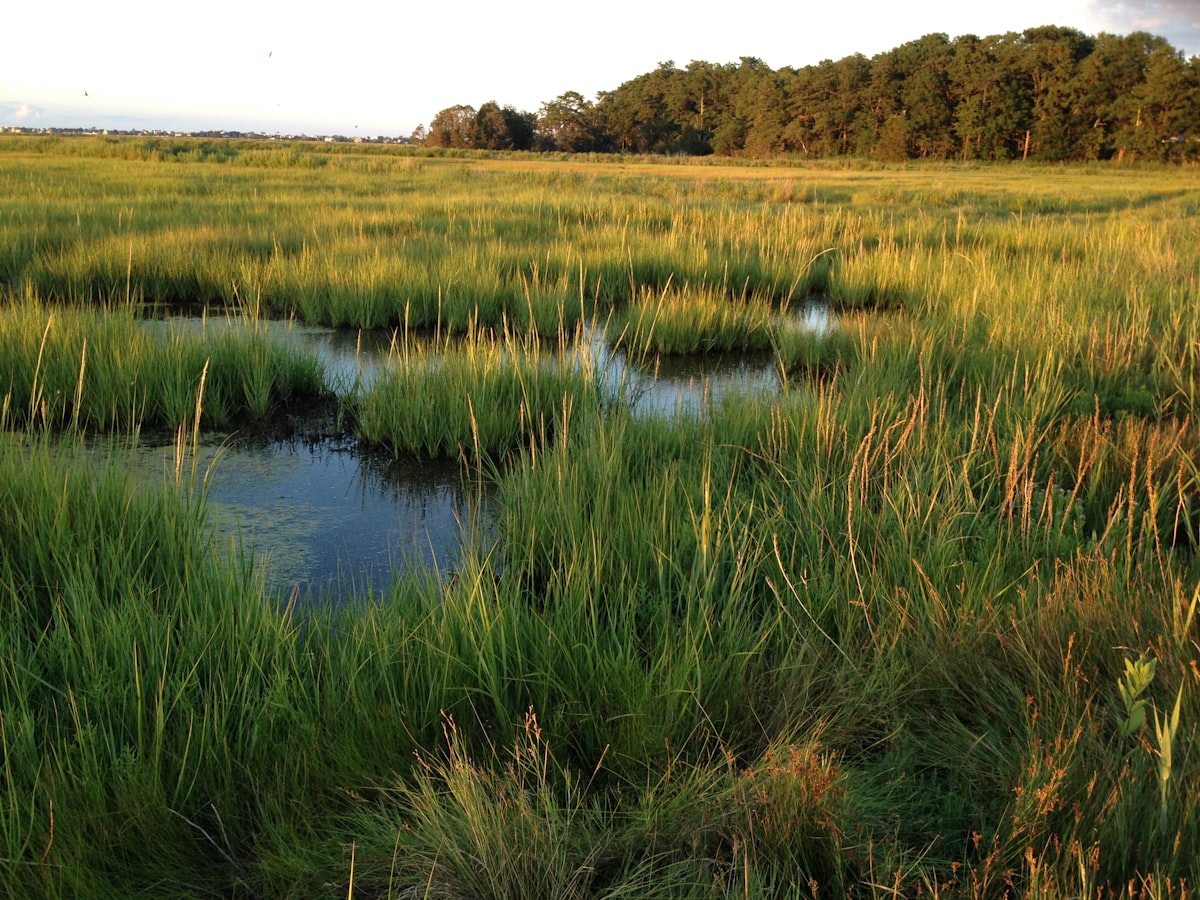
A well-built duck blind does two things: it hides you from birds and it positions you for a clean shot. Get either of those wrong and your morning falls apart. Whether you’re building a permanent timber hole blind, setting up a field layout, or throwing together a quick marsh setup, these fundamentals will help you build something that birds don’t flare from — and that hunters can actually shoot out of comfortably.
The #1 Rule: Match Your Surroundings
Ducks have sharp eyes and a survival instinct honed over thousands of years of being hunted. The biggest mistake hunters make is building a blind that looks like a blind — a pile of brush or sticks that doesn’t match the natural vegetation of the area. Before you build anything, study what’s naturally growing there and match it as closely as possible.
Ducks surveying from above aren’t looking at your outline specifically — they’re looking for anything that breaks the natural pattern of the landscape. A blind that blends in creates no pattern disruption. That’s the goal.
Types of Duck Blinds
Permanent Timber/Slough Blind
If you have a consistent spot in flooded timber, a creek bend, or a slough that you return to season after season, a permanent blind is worth building right. Use native materials where possible — cut brush from the immediate area, weave native cane or phragmites into the frame, and incorporate any standing trees or logs into the blind structure itself. A blind that grows out of the landscape rather than being placed on top of it is always more effective.
Frame it with treated posts or PVC pipe set in mud, build a back wall high enough to silhouette-break standing hunters, and keep the front low enough for a comfortable swing on incoming birds.
Field Layout Blind
For field hunting — flooded rice, green-timber fields, or dry corn — layout blinds are the standard. These low-profile coffin-style blinds lay hunters completely flat on the ground with a hinged lid that opens for shooting. The key is stubble brushing: you need to cover the blind with the same cut material (corn stalks, wheat stubble, etc.) that covers the surrounding ground. A bare layout blind in a field will flare ducks every time.
The Final Approach Eliminator and Avery Finisher are two of the most popular field layout blinds in the South.
Shop layout blinds on Amazon →
Marsh/Boat Blind
If you’re hunting from a jonboat or pirogue in the marsh, a snap-on boat blind frame covered with native grass is one of the most effective setups available. The boat becomes part of the blind — position it along a grass bank or marsh edge, cover the frame with cut cattails or spartina grass, and you effectively disappear into the marsh. Avery and Banded make several good boat blind kits that work with most flat-bottom boats.
Shop boat blind kits on Amazon →
Pop-Up Portable Blind
For hunters who move around and don’t hunt the same spot repeatedly, a camo pop-up blind is a fast and flexible option. Set up in under 5 minutes, brush it in with whatever material is nearby, and you have concealment on any point or bank. They won’t fool the most educated birds, but for a quick setup on a new spot they’re hard to beat. The Final Approach Ground Force and Ameristep products are popular options.
Blind Placement: Where to Put It
Where you put the blind matters as much as how it looks. The ideal position:
- Downwind of the decoy spread — ducks land into the wind, which means they’ll approach your blind head-on or at a slight angle. You want to be positioned so birds are looking at the decoys, not staring at your blind as they come in.
- On a hard edge — timber lines, grass edges, cattail banks, and levees provide natural background to break your silhouette. Avoid setting up on open points where you’re visible from multiple angles.
- Sun at your back — set up so the rising (or setting) sun is behind you and shining into the birds’ eyes as they work your decoys. It’s a small detail that makes a real difference.
- Inside shooting lanes — cut any branches or vegetation that will obstruct a swing inside 40 yards. Know where your clean shots are before birds start working.
Finishing Touches That Kill Flares
- Eliminate shine — gun barrels, watch faces, glasses, and phone screens reflect sunlight from miles away. Cover or tone down anything shiny in and around the blind.
- Face mask and dark clothing — a human face is one of the most recognizable shapes a duck can see. Cover up completely.
- Stay still — movement inside a blind kills more hunts than poor concealment. Don’t move until the birds are committed and in range.
- Keep dogs low — if you’re hunting with a retriever, the dog needs to be flat and still. A dog’s head moving in a blind is visible from a long way away.
Build the blind right, pick the right spot, and kill the shine — and you’ll have birds working to your decoys instead of flaring 200 yards out.
Getting ready for season? See the complete duck hunting gear checklist and our duck hunting scouting guide.
Pingback: Best Kayaks for Duck Hunting: Get Into Birds Nobody Else Can Reach - Drake & Drum