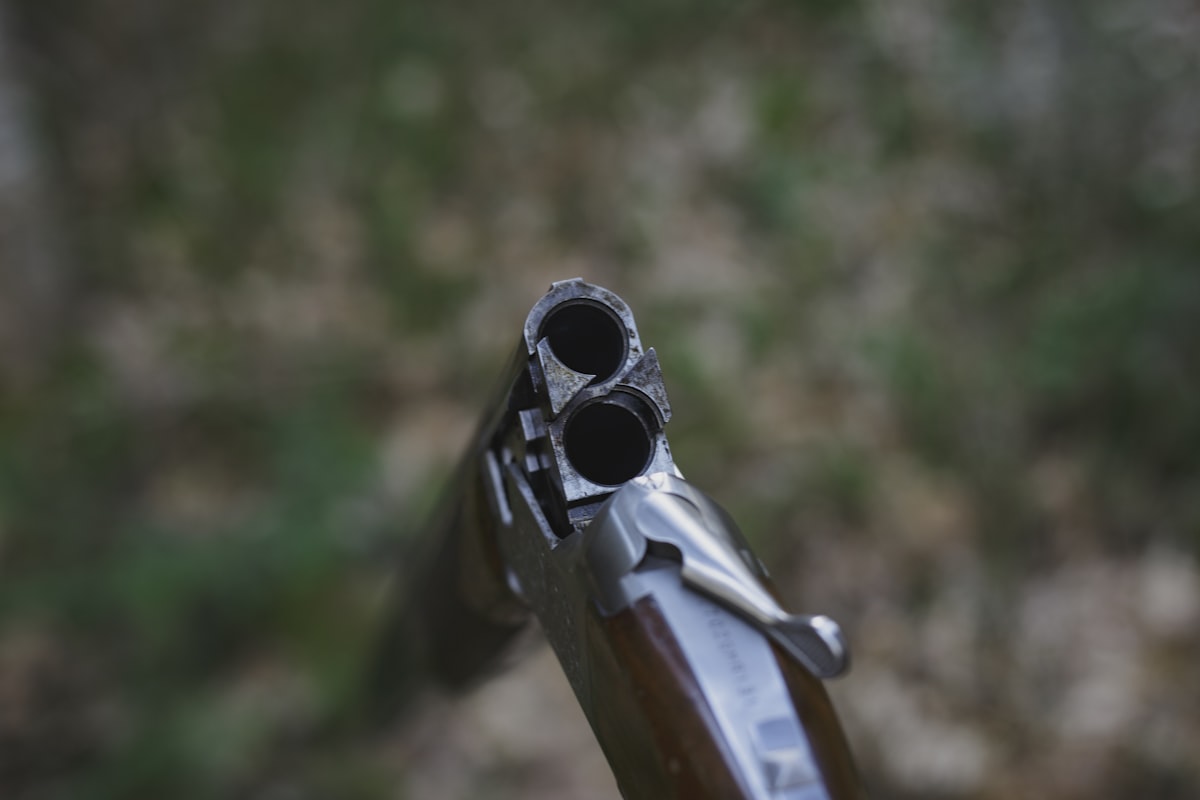
Steel shot changed duck hunting forever — and not entirely in a good way. When lead got banned for waterfowl in 1991, hunters had to adapt fast. Two decades of trial and error later, we understand a lot more about non-toxic loads, and there are now excellent options that rival lead in performance. But picking the wrong load still costs birds.
Here’s what every Southern waterfowler needs to know about duck hunting ammo.
Why Duck Hunting Ammo Is Different
Steel shot is harder and lighter than lead. That changes everything about how it patterns and how far it carries energy downrange. Steel requires larger shot sizes than lead for equivalent energy — a general rule is to go up two sizes (if you’d use #4 lead, use #2 steel). Steel also requires open chokes and higher velocities to pattern well.
Non-toxic alternatives like bismuth and tungsten behave more like lead — denser, better downrange energy, and safer in tighter chokes — but cost significantly more.
Steel Shot: The Standard
Steel is what most hunters run because it’s affordable, widely available, and effective when chosen correctly. For Southern duck hunting, these loads cover the most common scenarios:
Close-range decoying birds (15–30 yards)
#3 or #2 steel, 3″ shell, 1,300–1,400 fps — Works well for teal, wood ducks, and close-working mallards in timber holes and creek bottoms. Federal’s Speed-Shok and Winchester’s Xpert are reliable budget options in this range.
Federal Speed-Shok on Amazon →
Standard open-water shooting (30–45 yards)
#2 or BB steel, 3″ or 3.5″ shell, 1,400–1,550 fps — The most versatile range for general duck hunting. Federal Black Cloud in #2 or BB is a favorite for this application — the FLITECONTROL wad keeps patterns tight at extended ranges. Remington Nitro Steel and Winchester Blind Side also perform well.
Federal Black Cloud on Amazon →
Long passing shots, geese, big mallards (45+ yards)
BBB or T steel, 3.5″ shell, 1,500+ fps — When birds won’t finish or you’re hunting open fields where shots stretch out, you need the big stuff. Federal Black Cloud in BBB or Winchester Blind Side in T shot delivers the payload needed to cleanly kill birds at distance.
Premium Non-Toxic Options
Bismuth — Best Lead Alternative
Bismuth is dense (9.6 g/cc vs. steel’s 7.86 g/cc) and non-toxic, and it patterns like lead. It’s safe in older fixed-choke guns that can’t run steel. The downside is cost — bismuth loads run $2.50–$4.00 per shell. For timber hole hunting where 20-yard shots are the norm and guns take abuse, bismuth is worth the premium.
Heavyweight TSS/Tungsten — Best for Maximum Performance
Tungsten Super Shot (TSS) is the most effective non-toxic shot available — denser than lead at 18 g/cc. It allows smaller shot sizes with the same or better energy than much larger steel loads. TSS in #9 kills geese cleanly at 40 yards. The cost is extreme ($8–$12 per shell), but for hunters who value performance above all else, nothing beats it.
Recommended Loads by Situation
Timber hole hunting (tight, close shots): #3 or #4 steel, 2.75″ or 3″, modified choke. Keep shot size smaller for better patterns at 15–25 yards.
Flooded agricultural fields, marsh hunting: #2 or BB steel, 3″ or 3.5″, improved modified choke. Standard open-water load covers most shots.
Bay and coastal hunting (longer shots, diving ducks): BB or BBB steel, 3.5″, improved modified or modified choke. Extra payload for birds that don’t decoy as tight.
Teal season: #4 or #3 steel, 2.75″, modified choke. Teal are small and fast — tighter shot charges at moderate velocity pattern better than heavyweight loads for this application.
A Note on Chokes with Steel
Never run steel shot through a full choke — the constriction can damage or bulge your barrel. Maximum constriction for steel is Improved Modified. For most hunting situations, Modified gives the best balance of pattern density and choke safety. Use steel-rated aftermarket chokes from Patternmaster or Carlson’s for best patterns.
The Bottom Line
Federal Black Cloud in #2 BB, 3″ shells covers 80% of Southern duck hunting situations. It patterns well, hits hard to 45 yards, and is available at most sporting goods stores. Buy it when you see it on sale — duck season shortages are real.
For timber hole hunting with close shots, drop to #3 steel. For geese or late-season pressured birds, step up to 3.5″ BBB. That three-load system handles almost everything you’ll encounter in the South.
While you’re prepping for season, grab our Duck Hunter’s Field Guide — it includes species ID charts, season dates and bag limits for LA, AR, TX, TN, and MS, a complete scouting system, and a full gear checklist.
Pingback: Duck Hunting Gear Checklist: Everything You Need for Season - Drake & Drum