
⚡ Quick Picks
- Best Overall: Sitka Delta Zip Waders — warmest, most durable waders on this list
- Best Budget: Frogg Toggs Hellbender — get the job done without breaking the bank
- Best Mid-Range: Drake Waterfowl MST Waders — Southern hunter’s favorite for good reason
- Best Lightweight: Banded RedZone Breathable — all-day comfort in mild conditions
- Best Neoprene (Cold Water): Cabela’s 5mm Neoprene — when temps drop below freezing
There’s no piece of gear that separates a comfortable duck hunt from a miserable one more than your waders. Wet feet kill hunts. Cold legs kill focus. Waders that tear on a cypress knee at 5am when it’s 28 degrees — that ruins a whole season.
I’ve hunted flooded timber, tidal marshes, and shallow creek bottoms across the South. I’ve worn every kind of wader from $80 bargain buys to $600 premium rigs. Here’s what I’ve learned: you need the right wader for the right conditions — and this guide breaks down exactly what that looks like for duck hunters in 2026.
The 5 Best Duck Hunting Waders for 2026


Wader Comparison at a Glance
| Wader | Warmth | Breathability | Durability | Price | Best Conditions |
|---|---|---|---|---|---|
| Sitka Delta Zip | ⭐⭐⭐⭐⭐ | ⭐⭐⭐⭐⭐ | ⭐⭐⭐⭐⭐ | $$$$ | All conditions |
| Frogg Toggs Hellbender | ⭐⭐ | ⭐⭐⭐⭐ | ⭐⭐⭐ | $ | Mild temps 45°F+ |
| Drake Waterfowl MST | ⭐⭐⭐⭐ | ⭐⭐⭐ | ⭐⭐⭐⭐ | $$$ | Cold + brush 25–50°F |
| Banded RedZone | ⭐⭐ | ⭐⭐⭐⭐⭐ | ⭐⭐⭐ | $$ | Warm early season |
| Cabela’s 5mm Neoprene | ⭐⭐⭐⭐⭐ | ⭐ | ⭐⭐⭐⭐ | $$ | Hard winter below 30°F |
Wader Buyer’s Guide: What Duck Hunters Need to Know
Neoprene vs. Breathable Waders
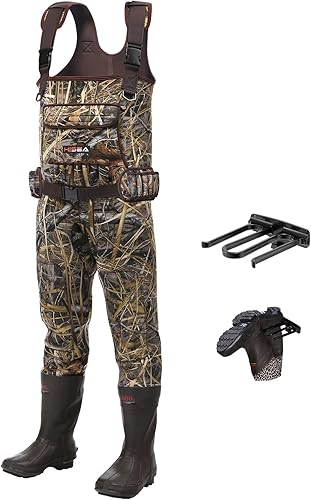
This is the most important decision you’ll make. Neoprene waders trap your body heat like a wetsuit — they’re warm in cold water but they’ll roast you if temps are above 45°F. Breathable waders let moisture escape, keeping you comfortable across a wider temperature range, but they need insulation layers underneath when it’s cold. In the South, most hunters want breathables with a good base layer system — neoprene is reserved for the coldest days of January.
Bootfoot vs. Stockingfoot
Bootfoot waders have the boots attached — easy on, easy off, no separate wading boots needed. Great for standing in one spot in a flooded field. Stockingfoot waders require separate wading boots, but they give you better ankle support and mobility when you’re hiking through timber or navigating uneven creek bottoms. Most duck hunters go bootfoot — it’s simpler and faster in the dark.
How Much Should You Spend?
For occasional hunters or early season: $80–150 gets the job done (Frogg Toggs territory). For serious hunters doing 20+ days a season: invest $200–350 in a Drake or Banded pair — they’ll last for years. If you’re hunting big water in Arkansas or flooded green timber in Louisiana every week — Sitka is worth every penny.
Complete the Setup: Wader Accessories
Don’t Get Left in the Cold
For most hunters reading this, the Drake Waterfowl MST hits the sweet spot — warm enough for the South’s worst days, tough enough for flooded timber and tidal marsh. It’s what we’d put in every blind bag.
Drake & Drum is a participant in the Amazon Services LLC Associates Program. We earn a small commission at no extra cost to you when you purchase through our links.
Keep Reading
- Duck Hunter’s Field Guide & Season Planner — species ID, state regs, scouting systems, gear checklist ($14)
- Best Duck Hunting Shotguns: Top Picks Reviewed
- Best Duck Hunting Ammo: Shot Size and Load Selection Guide
- How to Scout Duck Hunting Locations: A Complete Field Guide
- Best Duck Calls for Beginners