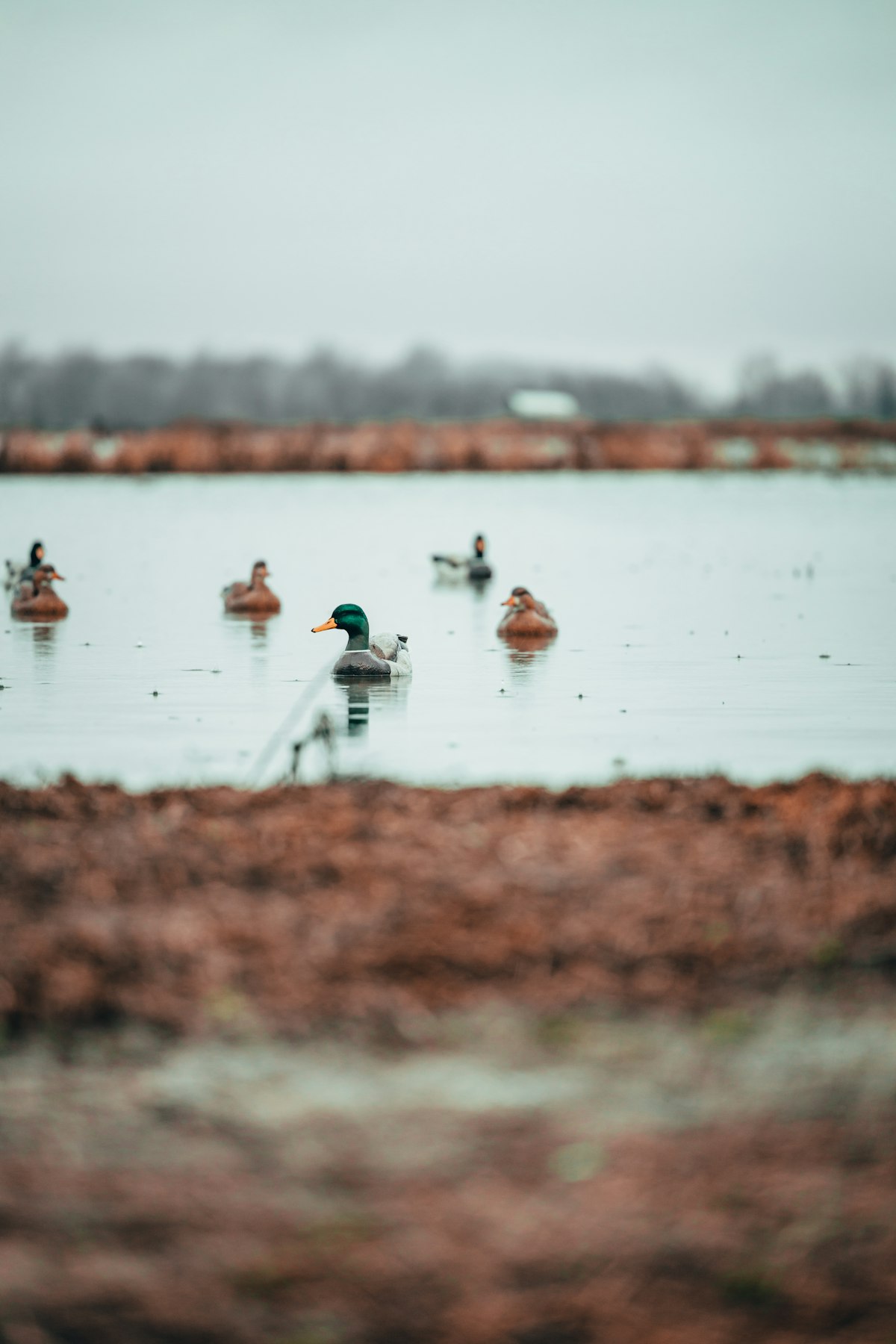
The right duck call sounds are what separate hunters who call birds in from hunters who watch birds flare at 200 yards. A mallard hen communicating with a flock uses a specific vocabulary — and learning to replicate even the basics correctly will make your blind more productive every season. Here’s a breakdown of the essential duck calling sounds and exactly when to use each one.
The Basic Hen Mallard Vocabulary
The Basic Quack
The foundation of all duck calling. A single, confident quack from a content hen is what you hear at a healthy feed. On a single-reed call, produce it by saying “hut” or “hit” into the call with a firm diaphragm push — the sound should come from your stomach, not your throat. The basic quack should be used constantly: it’s the ambient sound of ducks that aren’t alarmed and are going about their business.
The Five-Note Greeting Call
The greeting call is the most recognizable duck sound and what most hunters think of when they think “duck calling.” It’s a descending series of 5-7 notes that gets quieter and faster toward the end: “HIT-hit-hit-hit-hit.” Use it when birds are at long range (200+ yards) and you need to get their attention. It says: “Hey, I’m a hen — come look.”
The Comeback Call
The comeback call is an aggressive, urgent version of the greeting call — louder, with more feeling, used when birds are leaving or have turned away from your spread. It’s the call that says “Wait — come back!” Blow it with authority. More air, more emotion. This is the call that turns birds that have committed to leaving and brings them back around for another look.
The Feed Chuckle
When ducks are feeding contentedly — their heads down, scooping up food — they produce a rapid, staccato chuckling sound. On a call it’s produced by saying “wicka-wicka-wicka” or “digga-digga-digga” rapidly into the call while stuttering your diaphragm. It’s one of the most natural, comfortable sounds ducks want to hear. Use it when birds are close and working — it says everything is safe and there’s food here.
The Lonesome Hen
A single hen separated from other ducks makes a drawn-out, pleading call — slower than a greeting call, with more emotion. “Haaaaank…hank-hank-hank-hank.” It’s effective on still, calm days when the air is quiet and sound carries. If birds are loafing in the area but not working your spread, the lonesome hen can trigger curiosity and pull them in.
Soft Clucks and Purrs
These are finishing calls — used when birds are inside 30 yards and committed to the spread. Loud calling when ducks are close will flare them. Transition to quiet, content sounds: soft single clucks and a gentle rolling purr. This says “we’re here, we’re happy, come land.” The purr is produced by a soft, continuous air push that rolls over the reed without individual note attacks.
Calling Strategy: Less is Often More
The most common mistake new callers make is calling too much. Real ducks don’t quack constantly — contentment and safety sounds are low-key. The times to call aggressively are:
- When birds are at long range and haven’t noticed you yet (greeting call, loud)
- When birds are turning away or leaving (comeback call, aggressive)
- When birds are circling and you need to pull them closer (greeting call, moderate)
The times to back off and call softly or not at all:
- When birds are locked up and committed at 50 yards and closer
- When birds are responding and circling — let them work
- On heavily pressured birds who’ve heard every call already
The Best Duck Calls for Learning
For beginners, a quality acrylic or polycarbonate single-reed call is easier to blow and more forgiving than wood. The Duck Commander Happy Hen, RNT Originator, and Primos Original Timber are all excellent learning calls that produce a natural hen mallard sound without requiring perfect technique.
Ready to put it all together? Check out the duck hunting gear checklist and our guide to scouting duck hunting locations.