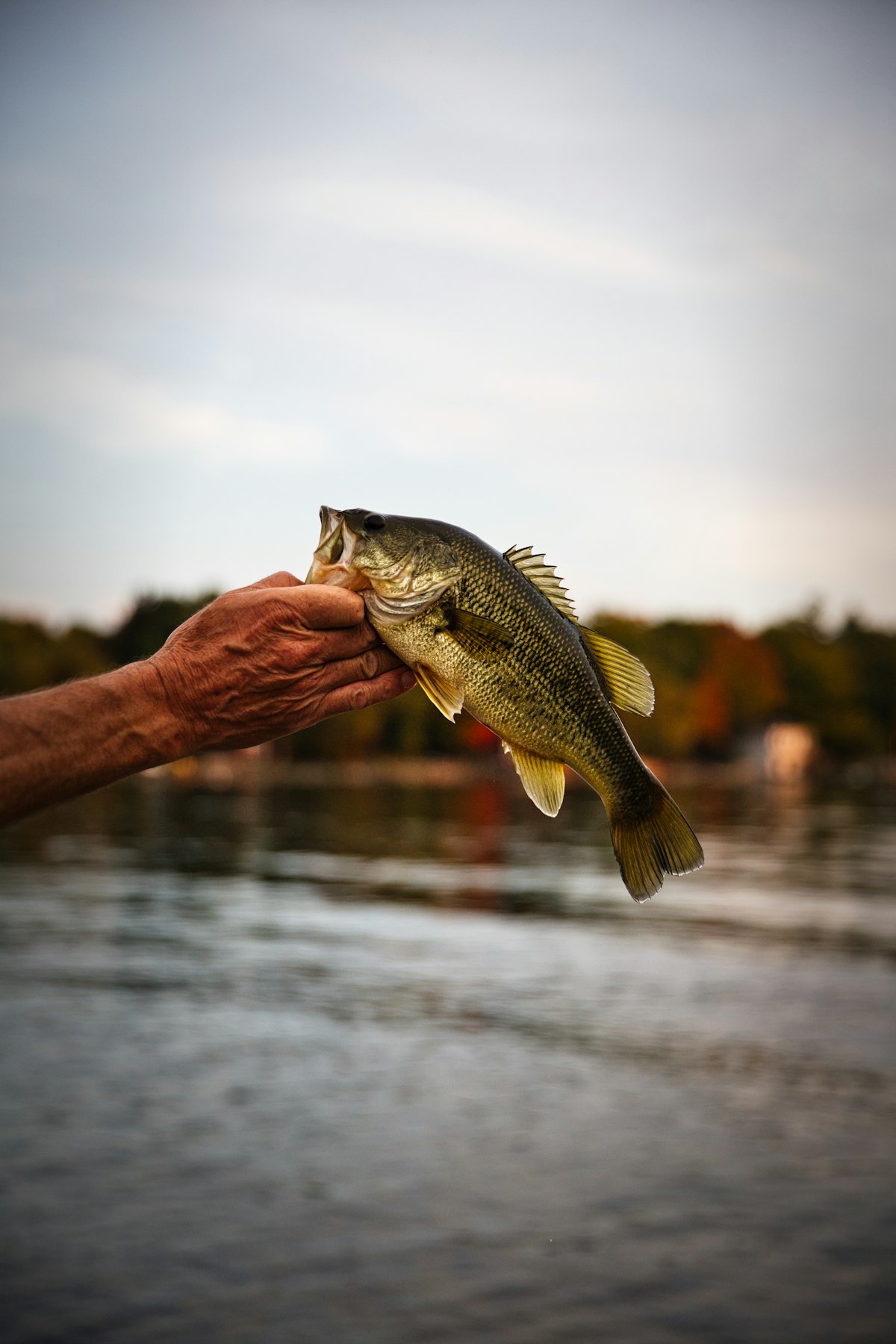
Cobia are one of the most prized inshore and nearshore targets on the Gulf and Atlantic coasts — powerful fighters, willing to eat a well-presented bait, and exceptional on the table. They’re also a species you can target with purpose once you understand their behavior and where to find them. Here’s a complete guide to catching cobia in southern waters.
When and Where to Find Cobia
Cobia are migratory fish that move north along the Gulf and Atlantic coasts in spring as water temperatures rise into the 68-72°F range. In the northern Gulf, this typically means April through June along the Alabama, Mississippi, and Florida Panhandle coasts. On the Atlantic side, they push through the Carolinas and Virginia from April through July.
Cobia are structure-oriented and have a well-known behavior of following large marine animals — rays, sharks, sea turtles — near the surface. The best cobia fishing often happens by sight: running offshore in calm conditions and spotting cobia swimming near the surface, then pitching a bait ahead of them.
Key Cobia Spots
- Nearshore buoys and markers — Cobia stack under navigation buoys, channel markers, and any floating structure. These are some of the most reliable and accessible cobia spots on the Gulf coast.
- Offshore platforms and rigs — Large cobia hold around oil and gas platforms in water 40-200 feet deep. Jigging or live-bait fishing around the legs produces big fish.
- Following rays in the surf — Cobia routinely follow large cownose rays in the surf zone and in shallow bay entrances. Spot and pitch is highly effective here.
- Inlet mouths and passes — During the migration, cobia funnel through inlets and bay passes. Anchoring and fishing live bait near these structures during the peak migration can produce multiple fish in a session.
Best Cobia Baits and Lures
Live Eels
Live eels are arguably the single best cobia bait available. Cobia eat them aggressively and the natural swimming action is irresistible at close range. Hook the eel through the lip on a 6/0-8/0 circle hook and free-line it toward a spotted cobia or let it swim under a float near structure.
Large Bucktail Jig
A 3-6 oz white or chartreuse bucktail jig with a large curly tail trailer is a go-to for sight fishing cobia. Cast well ahead of the fish (don’t land it on top of them), let it sink, then slow-hop it back. Cobia will often follow a jig for 10-15 feet before committing — keep the presentation natural.
Shop bucktail jigs on Amazon →
Soft Plastic Swimbaits
Large (5-8 inch) paddle tail swimbaits on a heavy jighead are highly effective for cobia, especially around structure. White, chartreuse, and natural mullet colors all produce. These are faster-sinking than bucktails, which can be an advantage in deeper water around rigs and platforms.
Tackle Setup for Cobia
Cobia are powerful fish that will test your gear. A dedicated cobia setup:
- Rod: 7-7.5 foot medium-heavy to heavy spinning rod with enough backbone to move fish away from structure
- Reel: 5000-6000 size spinning reel with a strong, smooth drag — a 30 lb cobia on a smooth sand flat will make long, powerful runs
- Main line: 30-50 lb braid for strength and sensitivity
- Leader: 60-80 lb fluorocarbon, 3-4 feet — cobia aren’t leader shy and you need abrasion resistance around structure
- Hook: 6/0-8/0 circle hook for live bait; circle hooks improve hookup rate and reduce gut-hooking
Sight Fishing Technique
Running and gunning for cobia on calm spring days is one of the most exciting forms of saltwater fishing. Get up on a poling platform or bow for a better view, run slowly through nearshore waters (15-40 feet), and watch for dark shapes near the surface. When you spot a fish, cut the engine early and drift or pole within casting range. Lead the fish by 10-15 feet with your cast and work the bait back to them. Cobia often refuse a bait that’s moving away from them — let the bait fall or pause in their path.
Targeting other nearshore species? Check out our guides to the best redfish lures and best saltwater spinning reels under $200.