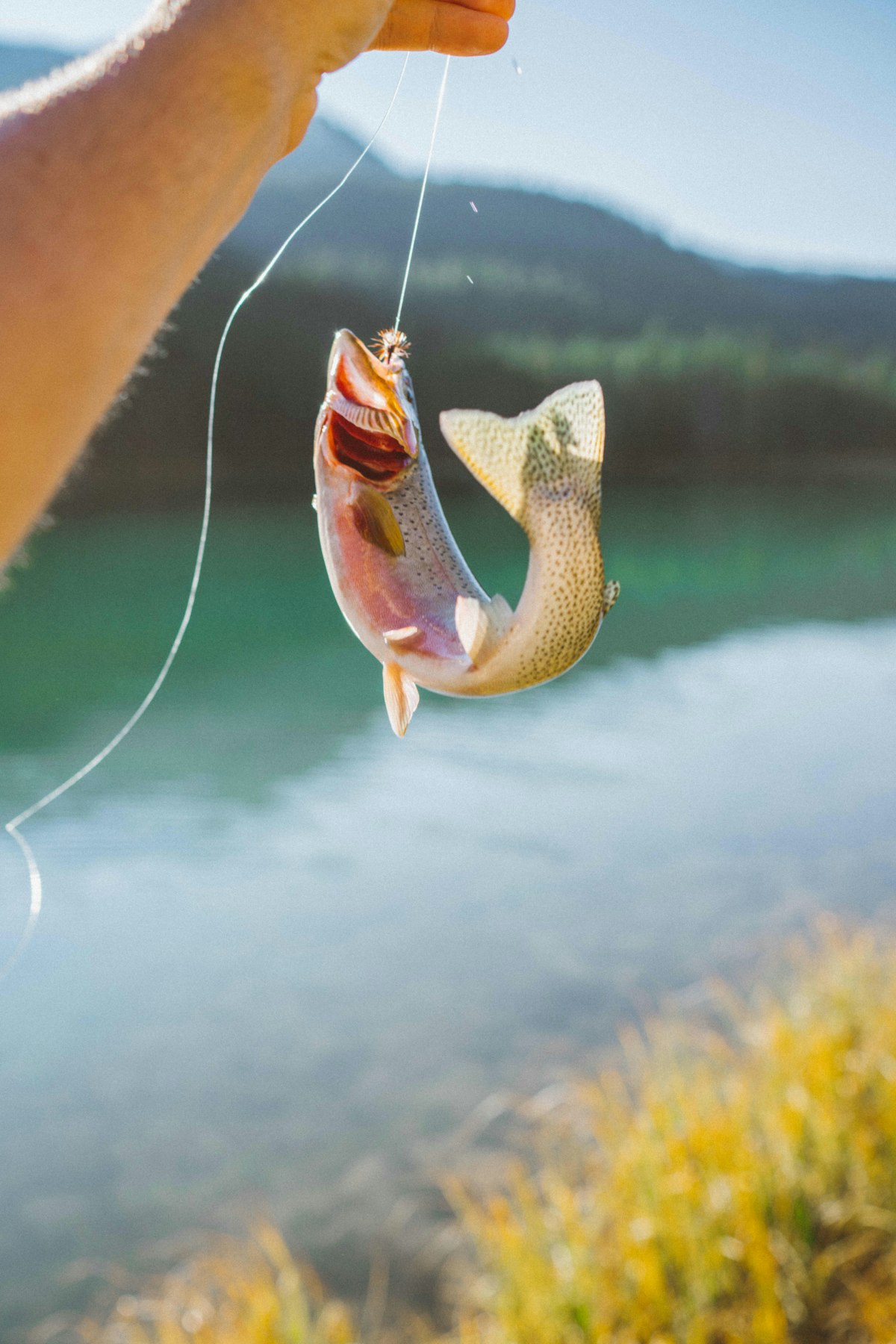
Crappie are one of the most accessible and delicious freshwater fish in the South. They school up in predictable spots, hit small jigs and minnows readily, and fillet out into some of the best table fare you’ll find in fresh water. Whether you’re chasing slabs off a dock or working brush piles in 20 feet of water, this guide will help you catch more crappie in southern lakes and reservoirs.
Where Crappie Hold by Season
Spring (Spawn)
Spring is the best time of year to catch crappie. When water temperatures hit 55-65°F, crappie move shallow to spawn — often in less than 6 feet of water around stumps, dock pilings, brush, and laydown trees. They’re aggressive and concentrated, and this is when the biggest fish of the year are caught. Target creek channels, coves, and the backs of pockets with slow-moving jigs or live minnows suspended under a bobber.
Summer
After the spawn, crappie move to deeper, cooler water and suspend around structure. Main lake brush piles, bridge pilings, submerged timber, and channel edges in 12-25 feet are your targets. Vertical jigging directly over structure or tight-lining with minnows gets deep summer fish. A fish finder is a significant help for locating suspended schools.
Fall
Fall crappie fishing can be outstanding as fish feed heavily before winter. They move shallower again as water cools, following shad schools into creek arms and coves. Trolling small jigs or casting along laydown logs and dock rows is highly productive.
Winter
Crappie slow down in cold water but still bite — they just require a slower presentation. Find them deep around structure and fish very slowly with a small jig or live minnow. The bite window is often short (midday when water is warmest) but fish that do bite are often large pre-spawn fish fattening up.
Best Crappie Rigs and Baits
Jig Under a Bobber
The classic crappie setup. A 1/16 or 1/8 oz jighead with a 2-inch curly tail or tube body, suspended 2-4 feet under a slip float. Cast to dock posts, stumps, and bridge pilings and let the jig sit or twitch it slightly. Pink/white, chartreuse/white, and black/chartreuse are reliable colors year-round.
Shop crappie jig kits on Amazon →
Live Minnow on a Hook
Nothing consistently outfishes a live minnow for crappie. Hook a 1.5-2 inch minnow just behind the dorsal fin on a #4 Aberdeen hook — Aberdeen hooks have a light wire that bends before breaking, making them easier to pull free from brush without losing the fish. Suspend under a slip float at the depth fish are holding.
Vertical Jigging for Deep Fish
For summer and winter crappie holding deep over brush piles, drop a 1/8 oz jig straight down and work it with short hops and pauses. Watch the line — crappie often inhale the jig on the fall and you’ll see the line move sideways rather than feel a distinct hit. Stay in contact with the jig at all times.
Gear Setup for Crappie
- Rod: A 5.5-7 foot light or ultralight spinning rod with a sensitive tip. Many dedicated crappie anglers use long “crappie poles” (10-16 feet) for precise jig placement around dock posts and brush.
- Reel: A small 1000-2500 size spinning reel with a smooth drag.
- Line: 4-6 lb monofilament or fluorocarbon. Light line is essential — crappie in clear water can be line-shy. Use 4 lb test in clear lakes, 6 lb in stained water.
Finding Brush Piles
Most serious crappie anglers on southern lakes have their own private brush pile spots — trees and branches they’ve sunk in 15-25 feet of water near channel edges. If you don’t have spots, look for patterns: most public brush piles are near old creek channels, points where a channel swings close to a flat, or at the base of long sloping points. A fish finder with decent sonar makes locating structure much faster.
Once you find a productive brush pile, save the GPS waypoint. Crappie return to the same structure year after year.
Want to build a complete freshwater setup? Check out our guides to the best bass fishing rods and best fish finders under $300.