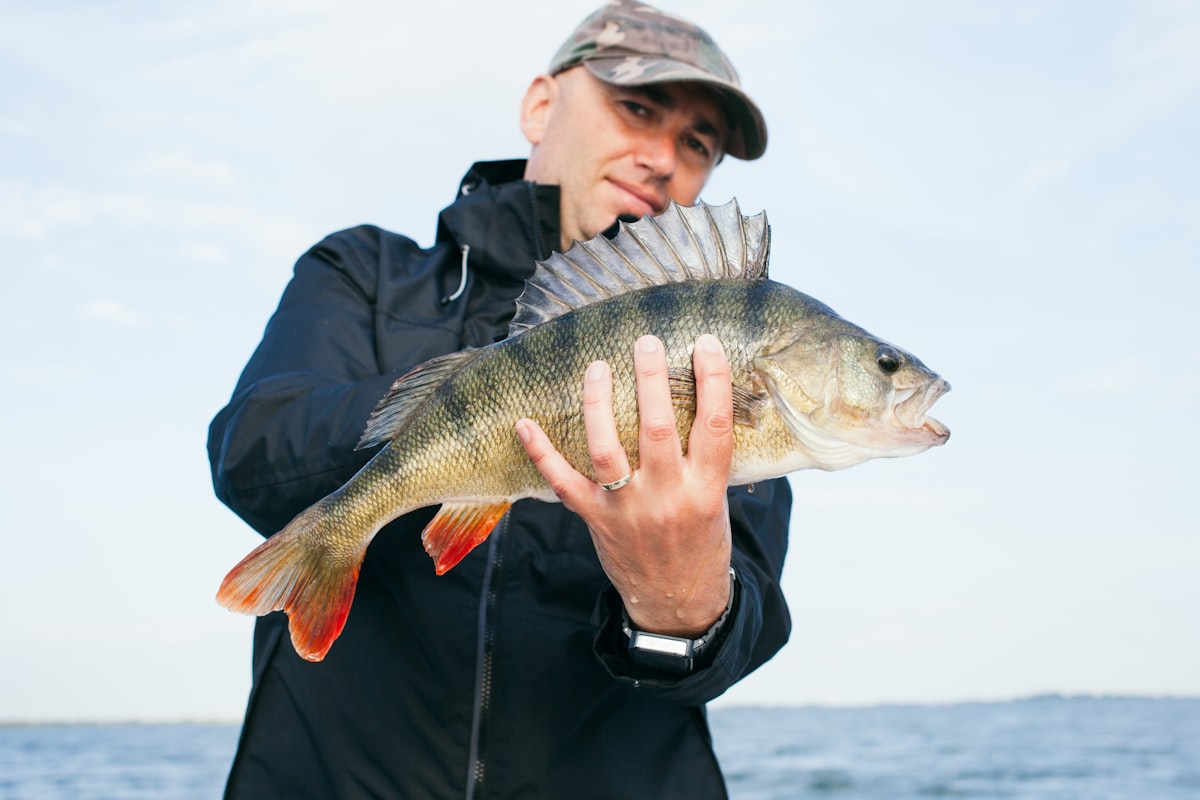
Sight fishing for redfish in shallow southern bays is one of the most thrilling experiences in all of saltwater fishing. Watching a tail wave above the surface, making a perfect cast, and seeing the fish turn and eat — it’s addictive. The window for this kind of fishing is defined by conditions, and understanding how to find tailing and pushing fish will make every shallow water trip more productive.
When Redfish Tail and Push Shallow
Redfish feed with their heads down on the bottom, which causes their tail to break the surface in shallow water — hence the term “tailing.” The conditions that produce tailing fish:
- Shallow water on a rising tide — As water pushes over flats and into marsh grass, reds move with it looking for crabs, shrimp, and other invertebrates. Water 6-24 inches deep is prime tailing depth.
- Warm water temperatures — Reds are most active on the flats when water temps are in the 65-80°F range. They move into very shallow water earlier in the morning on warm days.
- Calm, clear conditions — You need to be able to see fish. Calm water with minimal wind ripple and clear water is ideal for spotting tails, wakes, and fish silhouettes from a distance.
- Incoming or high tide — Water covering the grass flats brings fish shallow. Pay attention to tidal timing — the best tailing bite often aligns with the two hours either side of high tide.
How to Spot Redfish
Sight fishing requires learning to see fish before they see you. What to look for:
- Tails — A reddish-orange or copper tail waving above the surface in 6-18 inches of water. Can look like a flicker of light reflecting off the surface; look for repeating movement.
- Wakes — A V-shaped push or bow wave on the surface caused by a fish moving through skinny water. Often seen before you see the fish itself.
- Nervous water — An area of water that looks disturbed or riffled differently from the surrounding flat — fish moving underneath disturb the surface pattern.
- Mud trails — A cloud of disturbed mud behind a fish that just passed through. Fresh mud means the fish is close and recent.
- Silhouettes — In clear, shallow water with good light angle, you can see the fish’s shadow and shape on the bottom.
The Approach
Getting within casting range without spooking a tailing redfish is as much about patience and positioning as it is about tackle:
- Move with the wind at your back — fish facing into the current/wind won’t see you approaching from behind
- Use a push pole or paddle to move silently — no electric motor noise, no splash
- Stop the boat 60-80 feet from the fish and let it come to you when possible
- Cast ahead of the fish’s travel direction — drop the bait 3-5 feet in front of and past the fish’s nose, then slowly pull it into its path
- Keep your profile low — crouch or kneel on the bow when approaching in very shallow water
Best Baits for Sight Fishing Reds
A tailing or pushing redfish is a feeding, aggressive fish. It doesn’t take much to trigger a strike:
- Gold weedless spoon — The classic shallow-water redfish bait. A 1/2 oz weedless gold spoon splashes down naturally, doesn’t spook fish on entry, and produces an irresistible flash and wobble. Cast past the fish, let it settle, and slow-retrieve back through its path.
- Gulp! Shrimp on a light jighead — A 1/8 oz jighead with a Gulp! Shrimp or Alive Shrimp is perfect when fish are in very shallow water. Drop it softly and hop it slowly across the bottom.
- Live shrimp under no float — Free-lined live shrimp in front of a tailing fish rarely gets refused. Keep the weight minimal so the shrimp lands naturally.
Want to dial in your complete inshore setup? Read the guides on the best redfish lures, how to read a tide chart, and the best saltwater spinning reels under $200.