Turkey hunting in the South is one of the most exciting and accessible ways to get into spring hunting. The season runs from March through May across most southern states, Eastern wild turkeys are widely distributed, and the experience of calling in a fired-up gobbler at close range is something that hooks hunters for life. If you’re new to turkey hunting or looking to sharpen your approach, this guide covers the fundamentals for southern hunters.
Understanding Southern Turkey Habitat
Eastern wild turkeys in the South thrive in a mix of agricultural fields, hardwood ridges, creek bottoms, and pine timber. The ideal property combines roosting habitat (large timber near water), feeding areas (open fields, food plots, agricultural edges), and travel corridors (creek drainages, hardwood ridges) connecting them.
Learning to think about the landscape from a turkey’s daily routine — roost, fly down, strut, feed, loaf, roost again — is the foundation of successful turkey hunting. If you can position yourself where a gobbler wants to be anyway, calling him in becomes much easier.
Scouting Before Season
- Find roost trees — Turkeys roost in the same large trees repeatedly. Look for big hardwoods or pines near water with droppings and feathers concentrated underneath.
- Locate strut zones — Gobblers strut in open areas where hens can see them: field edges, logging roads, open hardwood flats. Drag marks (wingtip trails) in soft dirt are a dead giveaway.
- Listen at dawn — Drive around your hunting area at first light in the weeks before season and listen for gobbling from roost trees. A gobbling turkey tells you everything you need to know about where to set up opening morning.
Turkey Calls: What You Need
Box Call
The easiest call to learn and one of the most effective. A box call makes realistic yelps, clucks, and cuts with minimal practice. The Lynch Fool Proof and Knight and Hale Super Box are two classics. The only downside: you have to move to operate it, which can spook a close bird.
Slate/Pot Call
A friction call that produces some of the most realistic turkey sounds available. Run a striker across a slate or glass surface to make yelps, purrs, and clucks. Slightly more practice required than a box call but very natural-sounding. Keep the surface dry — moisture kills the sound. The Primos Ol’ Betsy Slate is a go-to for beginners.
Mouth Diaphragm
A diaphragm call fits in the roof of your mouth and lets you call without moving your hands — critical when a gobbler is close. The learning curve is steeper than friction calls, but hunters who invest the time to learn a mouth call gain a significant advantage in tight situations. Practice in your car for a few weeks before season.
The Basic Turkey Hunting Setup
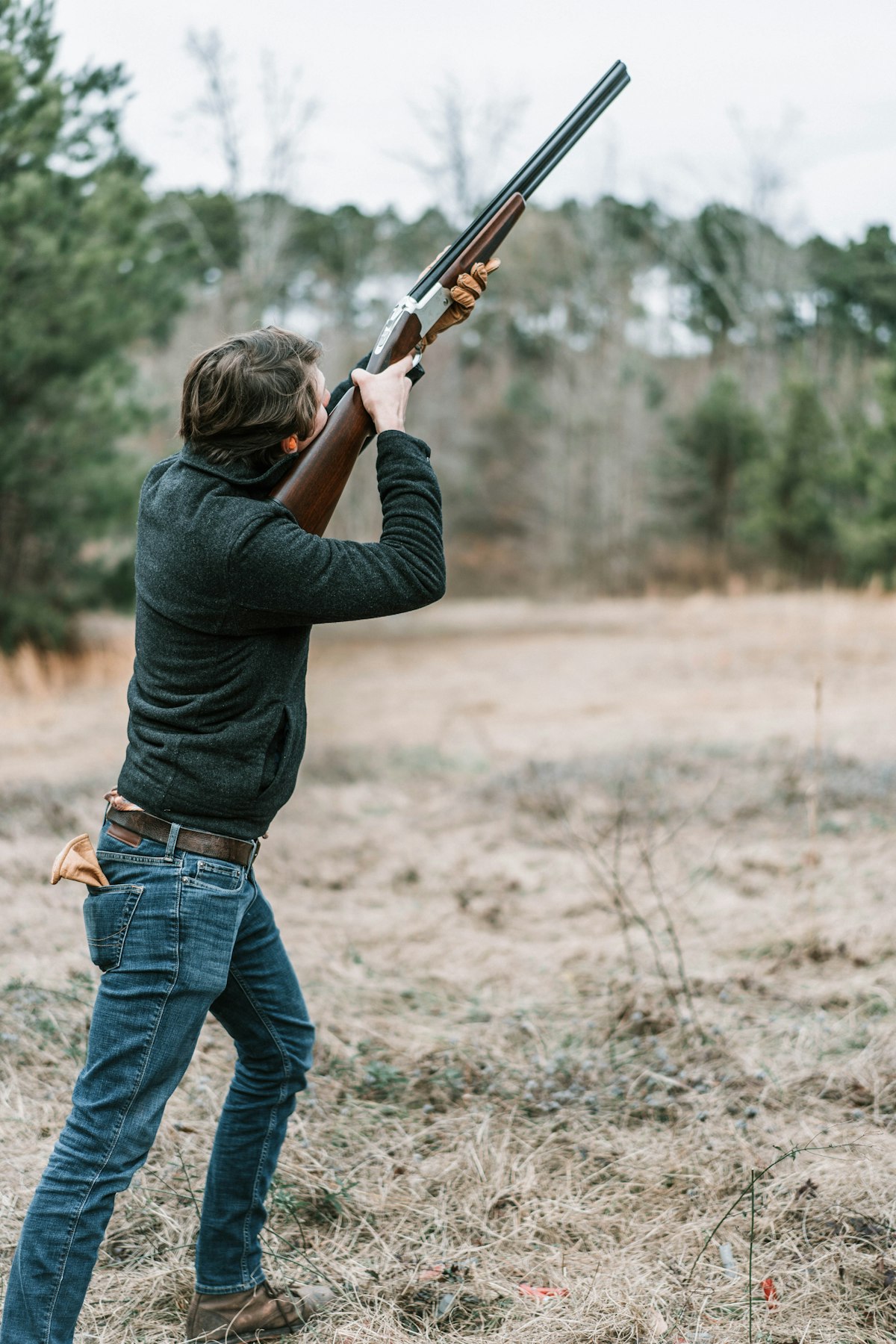
- Shotgun: 12-gauge with a tight turkey choke and 3″ or 3.5″ shells loaded with copper-plated or TSS loads in #4, #5, or #6 shot. Pattern your gun at 40 yards before season.
- Clothing: Full camo — face mask, gloves, and camo from head to toe. Turkeys have exceptional eyesight and will pick out a bare hand or face from 100 yards.
- Decoys: A hen decoy or hen/strutter combo can pull in hung-up gobblers. Don’t use a tom decoy on public land — another hunter may see it and approach.
- Seat: A portable cushioned seat or vest with a back pad — you’ll be sitting against a tree for hours. Comfort matters.
The Hunt: How It Works
Get to your setup spot at least 30 minutes before first light — you need to be settled before birds fly down. Position yourself with your back against a large tree trunk (wider than your shoulders) on the edge of an opening the gobbler will want to enter. Make a series of soft yelps at first light, then wait. Let the gobbler come to you — aggressive calling to a fired-up bird often works against you.
When the bird commits and is moving toward you, go quiet or switch to soft clucks and purrs. The hardest part of turkey hunting is waiting — don’t move, don’t call too much, and trust the setup. Most shots happen inside 30 yards.
Looking to get more out of the outdoors? Check out our duck scouting guide and the duck hunting gear checklist for your waterfowl season prep.
Pingback: Deer Hunting in the South: Strategy, Stand Placement, and Whitetail Behavior - Drake & Drum