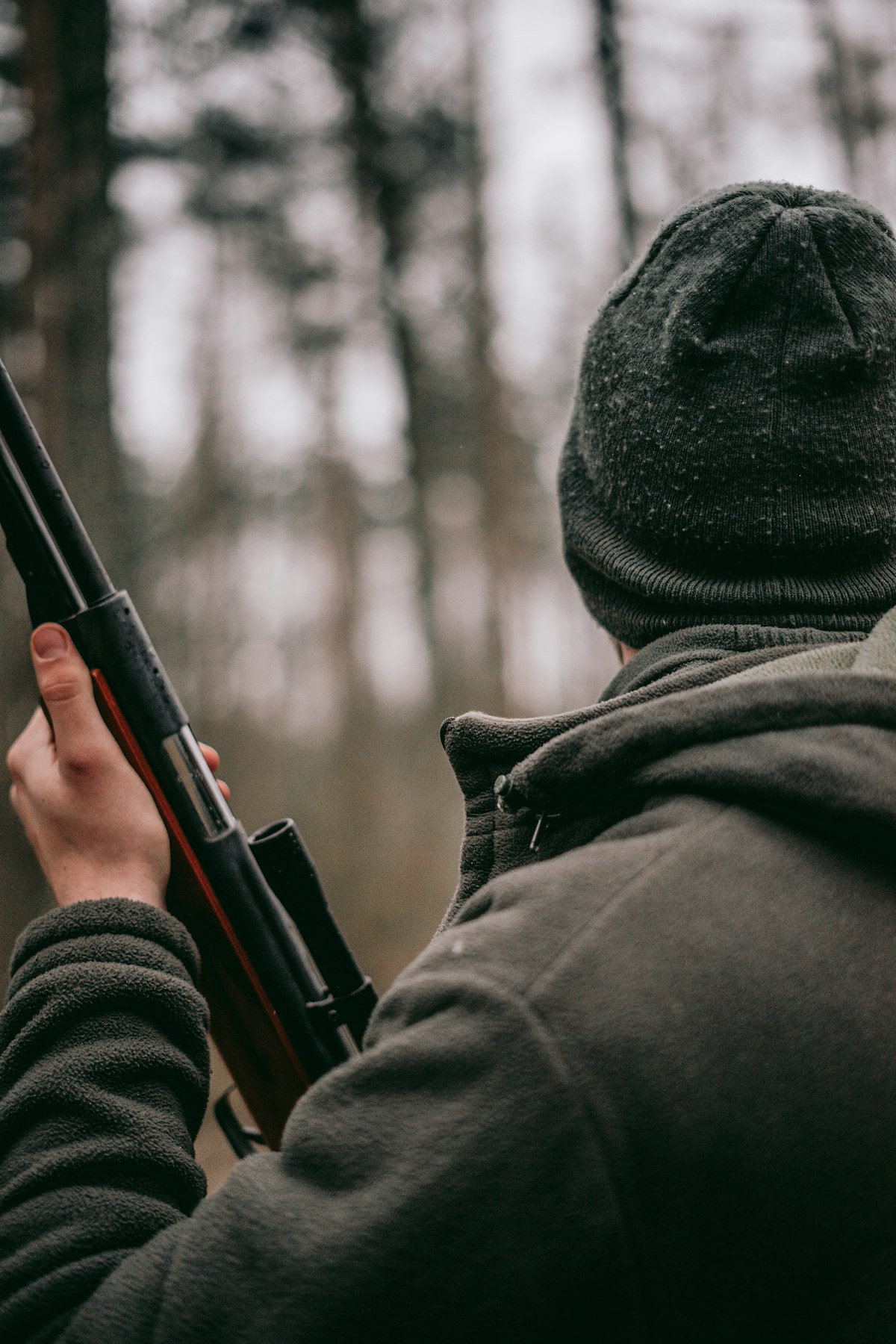
Deer hunting in the South has its own character — long seasons, warm early months, diverse terrain from swamp timber to pine ridges to agricultural fields, and a culture built around family camps and tradition. Whether you’re after whitetails in a Mississippi hardwood bottom, South Texas brush country, or Georgia agricultural land, these fundamentals will help you hunt smarter and tag more deer.
Understanding Southern Whitetail Behavior
Southern deer don’t behave exactly like their northern counterparts, and many hunters make the mistake of applying northern strategies to southern hunting. Key differences:
- The rut runs later — In the deep South (Louisiana, Mississippi, Alabama, Florida), the peak rut can occur as late as January or February — dramatically later than the October-November peak in northern states. Know your state’s rut timing before planning your hunt around it.
- Heat affects daylight movement — Early season in the South means 80°F+ temperatures. Deer move primarily at night during hot weather and transition to more daylight movement as temperatures cool in November.
- Food sources differ — Acorns are king in hardwood country, but agricultural fields (corn, soybeans, cotton, sugarcane), food plots, and persimmons all draw deer heavily in the South. Learn what’s producing in your area each season.
- Pressure and property size — Much southern hunting happens on smaller private tracts with significant pressure. Hunting unpressured edges, creek crossings, and staging areas between bedding and food becomes critical.
Scouting for Southern Deer
- Trail cameras — Deploy cameras on scrapes, rubs, creek crossings, and field edges at least 4-6 weeks before season to pattern buck movement without pressuring the area. Check cameras infrequently and always approach from downwind.
- Acorn crop assessment — Walk your property in September and identify which white oak trees are producing. White oak acorns are sweeter than red oaks and deer prefer them when available. Find the hot mast trees and you’ll find deer.
- Wind and thermal patterns — In flat swamp and river bottom country, thermals play a significant role. Thermals rise in the morning as air warms and fall in the evening as it cools. Factor this into stand placement — not just prevailing wind direction.
Stand Placement for Southern Terrain
Hardwood Bottoms and Swamp Timber
In flooded timber and swamp country, deer travel on ridges and slight elevation changes that stay dry. Find the subtle high ground — even 6-8 inches of elevation that stays dry when surrounding areas flood — and you’ll find major travel corridors. Creek crossings and natural pinch points between swamp and dry ground are high-percentage stand locations.
Agricultural Edges
Agricultural land produces predictable deer movement — deer bed in timber or brush and move to fields to feed, typically at first and last light. The best stand locations aren’t in the field itself but on the edge: the corner of a field where two edges meet, a point of timber that juts into the field, or a funnel that deer use to enter the field from bedding cover.
Pine Ridges and Clear-Cuts
Young clear-cuts (1-5 years old) are excellent early season food sources and bedding cover. Deer bed in the thick regeneration and move to ridges and hardwood pockets at dawn and dusk. Focus stands on the transitions between clear-cut edges and mature timber.
Essential Gear for Southern Deer Hunting
- Lightweight camo — Early season calls for lightweight, breathable fabrics. Insulated clothing isn’t needed until late November in most of the South.
- Scent control — Spray down with scent eliminator and store hunting clothes in a sealed bag with natural debris from your hunting area
- Quality treestand or ground blind — A comfortable stand you can sit in for 4 hours without fidgeting is more effective than a stand that forces constant movement
- Trail cameras — Cellular cameras (Tactacam Reveal, Moultrie Mobile) that send photos to your phone let you monitor stands without walking in and leaving scent
- Rangefinder — Essential for bowhunters; helpful for rifle hunters in timber where distances are deceptive
Expanding your southern outdoors season? Check out our guides to turkey hunting in the South and scouting duck hunting locations.